Harbours, boats and a country facing the water
Follow the details from the quayside to a ship model.
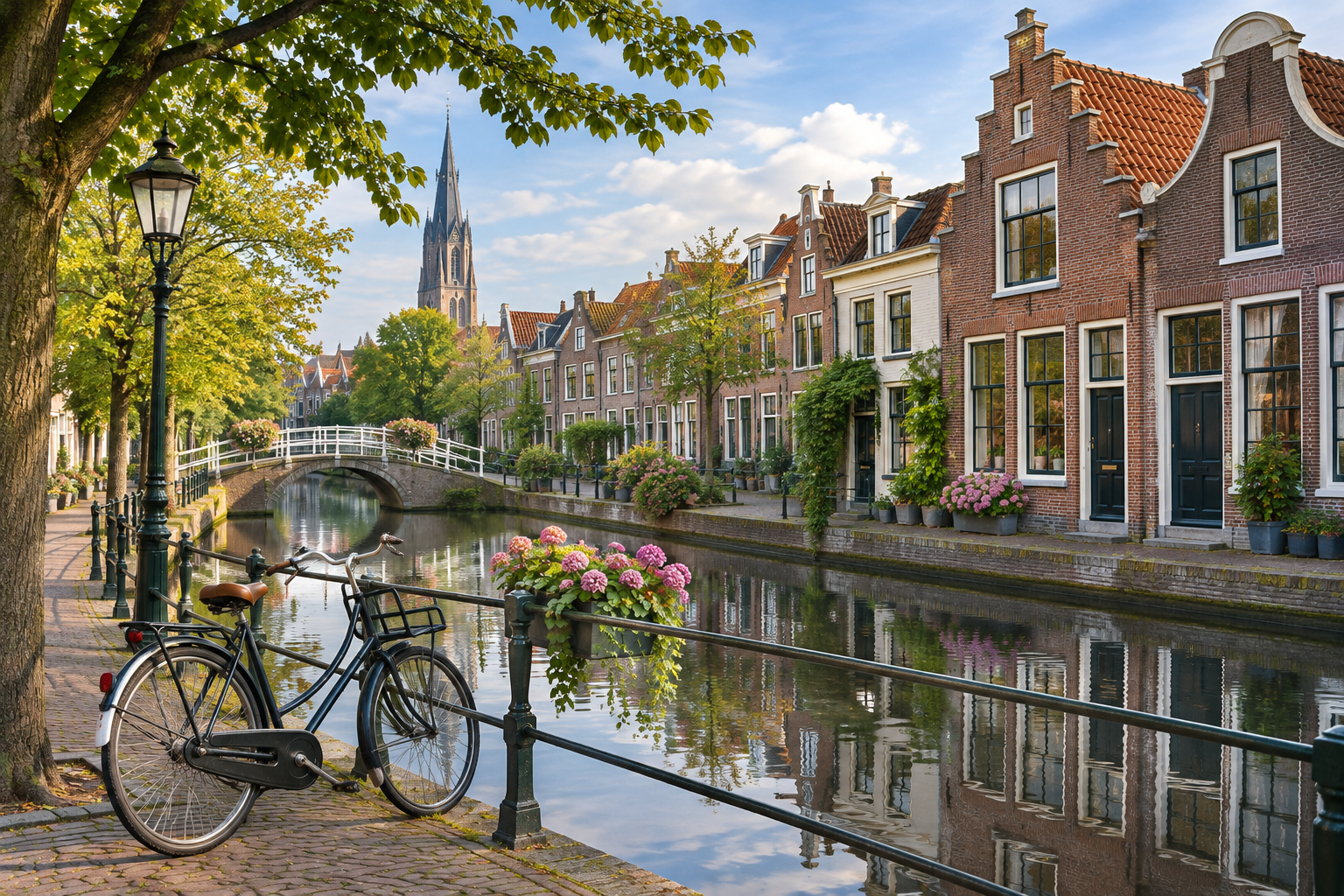
Look beyond the postcard boat
A Dutch waterfront can be read through ropes, mooring points, bridges and the changing height of a vessel against a quay. Choose a publicly accessible viewpoint and observe how different boats use the same stretch of water. A working harbour and a leisure canal are different environments. Signs, barriers and local instructions should guide where you stand.
Ask what each detail does
Instead of trying to identify every boat, choose one practical detail. How is it secured? Where can people board? Which parts seem designed for carrying, steering or protecting the vessel? These questions create a connection with maritime objects even if you do not know nautical terminology. Stay clear of moving bridges, loading areas and the edge of the quay.
What a model lets you see
A scale model can make a complex structure easier to examine, but its purpose matters. Some models emphasise construction, others appearance or equipment. Ask what has been included and what has been simplified. Historic maritime objects can also raise questions about trade, labour, conflict and colonial power. A balanced visit leaves room for those histories as well as craftsmanship.
Take the theme into the Rijksmuseum
The Rijksmuseum has a Navy Models collection including ships and associated equipment. Use its collection information to compare a model with details noticed outdoors. A museum record establishes that the object belongs to a collection; it does not guarantee current gallery access. For a day centred on a specific object, verify the display and admission arrangements directly.